
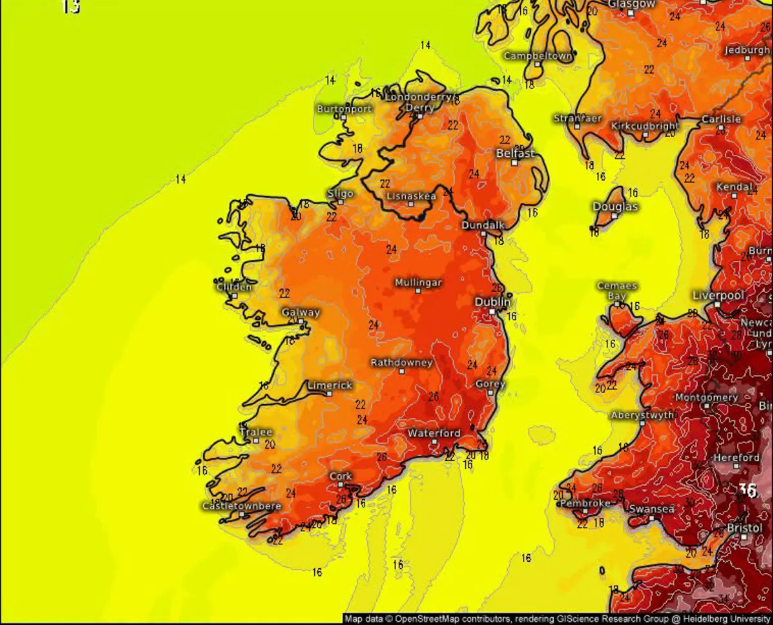
Met Éireann Heat Warning: Why Homeowners Should Check Their Heating Oil System
Heat Warning Issued: Time to Check Your Home's Oil Storage
As Ireland experiences periods of unusually high temperatures, Met Éireann heat warnings serve as an important reminder for homeowners to take extra precautions during extreme weather conditions. While most people associate heatwaves with protecting their health, gardens, pets and homes from rising temperatures, there is another area that should not be overlooked: your heating oil tank.
Above-ground heating oil tanks are built to withstand Ireland’s changing climate, but prolonged periods of heat can affect how they operate. Increased temperatures can cause heating oil to expand, increase the movement of tank materials, and make existing issues such as small leaks, damaged fittings or weakened seals more noticeable.
One of the most common warning signs homeowners may notice during a heatwave is a stronger-than-usual smell of heating oil around the tank or property. While warmer weather alone can intensify normal fuel odours, unusual or persistent smells should never be ignored. Heat can increase the release of vapours from heating oil, meaning an existing issue that may have previously gone unnoticed could become much more apparent.
For homeowners with above-ground oil tanks, periods of extreme heat provide an ideal opportunity to carry out a quick inspection. Identifying early warning signs, such as unusual odours, staining or visible damage, can help prevent a minor issue from developing into a larger environmental problem.
Why Does Heat Make Heating Oil Smell Stronger?
Warm Weather Can Expose Existing Heating Oil Issues
During warmer weather, liquids naturally expand and become more active as their temperature increases. Heating oil stored within an outdoor tank is no different. As temperatures rise, the oil inside the tank expands slightly, and increased heat can encourage more vapours to form within and around the tank system.
This means homeowners may notice stronger heating oil smells during a heatwave, even if their tank does not have an obvious visible leak. The combination of higher temperatures, direct sunlight and warm air can make normal fuel odours more noticeable than they would be during cooler conditions.
However, while heat can make an odour more noticeable, it can also aggravate the symptoms of an existing problem. A small leak, weakened seal or damaged connection may release more noticeable vapours when temperatures are higher. What may have previously been a faint smell could become much stronger during a period of extreme heat.
This is why homeowners should pay close attention to any sudden changes in the smell around their oil tank. A heating oil tank should not produce persistent strong odours around the property. If a smell appears suddenly, becomes stronger over time, or is noticeable near doors, windows, sheds or outdoor areas, it should be investigated.
Heatwaves and Their Effect on Above-Ground Oil Tanks
Rising Temperatures? Make Sure Your Heating Oil System Is Safe
Above-ground heating oil tanks are designed to safely store fuel outdoors throughout the year. Modern tanks are manufactured using durable materials designed to cope with normal Irish weather conditions, including rainfall, frost and seasonal temperature changes.
However, extreme heat introduces additional stresses. As temperatures rise, both the tank itself and the heating oil inside it can expand. This natural expansion is usually not a problem for a well-maintained tank, but repeated cycles of heating and cooling can place additional strain on older tanks or components that have already begun to deteriorate.
The tank body is not the only area affected by temperature changes. Valves, pipe connections, seals and fittings can all experience movement as materials expand and contract. Over time, these small movements can contribute to weaknesses developing within the system.
It is important to understand that heat does not necessarily mean a tank will suddenly fail. Instead, high temperatures can reveal problems that already exist. A small crack, loose connection or ageing component may become more noticeable when temperatures rise, making summer weather an important time for homeowners to remain vigilant.
Signs Your Heating Oil Tank May Have a Problem
Protect Your Home During Hot Weather – Check for Oil Leak Risks
One of the easiest ways to protect your property is by regularly checking your heating oil tank. A visual inspection only takes a few minutes but can help identify potential issues before they become more serious.
The first thing homeowners may notice is an unusual smell. Heating oil has a distinctive odour, and any persistent fuel smell around your tank should be investigated. Pay particular attention if the smell appears stronger than usual during hot weather or if it begins entering indoor areas.
In addition to odours, look for visible signs of leakage. These may include dark staining on the tank, oily patches beneath the tank, damp areas around valves or pipework, or a noticeable sheen on nearby water. Oil leaks are not always immediately obvious, and even a small amount of escaped oil can indicate a developing issue.
The physical condition of the tank should also be checked. Look for cracks, splits, bulging areas, damaged fittings or signs that the tank has become distorted. Older tanks may be more vulnerable to weather-related wear, particularly if they have spent many years exposed to direct sunlight.
Why Oil Tank Odours Should Never Be Ignored
Heatwave Alert: Don't Let Hidden Oil Problems Go Undetected
It is easy to dismiss an oil smell during hot weather as simply a result of the heat. However, homeowners should avoid assuming that every unusual odour is harmless.
While heat can naturally make existing fuel smells more noticeable, a sudden increase in odour intensity may indicate that oil is escaping from somewhere within the system. This could be caused by a damaged pipe, faulty valve, weakened seal or issue with the tank itself.
Ignoring these warning signs can allow a small problem to become significantly worse. Oil that escapes from a tank can spread into surrounding soil, gravel, concrete areas or drainage systems. Once contamination spreads, the clean-up process becomes more complex and costly.
Early detection is one of the most effective ways to reduce the impact of an oil leak. A strong smell does not always mean a major failure has occurred, but it does mean the situation should be assessed.
What To Do If You Suspect Your Oil Tank Is Leaking
Heat Warning for Ireland: A Simple Check Could Prevent Costly Damage
If you notice a strong heating oil smell or believe your tank may be leaking, the first priority is safety. Avoid unnecessary contact with spilled oil and keep children and pets away from the affected area.
If oil smells have entered enclosed spaces, improve ventilation by opening windows and doors where it is safe to do so. Fresh air can help reduce the concentration of vapours indoors.
If anyone experiences symptoms such as dizziness, nausea, headaches, breathing difficulties or feels unwell after exposure to fuel smells, they should move away from the area immediately and seek medical advice. In situations involving significant exposure or immediate danger, emergency services should be contacted.
Homeowners should avoid attempting temporary repairs using household materials such as tape, sealants or makeshift patches. These solutions are not designed to safely contain heating oil and may delay proper assessment of the problem.
Instead, contact Enviroleak so that we can assess the situation, identify the source of the leak and advise on the appropriate next steps.
Stay Vigilant During Extreme Weather
Stay Ahead of Oil Leaks During High Temperatures
Met Éireann weather warnings are an important reminder that extreme temperatures can affect more than just our daily routines. For homeowners with above-ground heating oil tanks, periods of intense heat are a good opportunity to check that everything is functioning correctly.
A stronger heating oil smell, unusual vapours, visible staining or signs of damage should never be ignored. Heat can intensify the signs of an existing issue, making it easier to detect — but only if homeowners know what to look for.
Regular checks and early action can significantly reduce the risk of environmental damage and costly clean-up. If you suspect your heating oil tank is leaking or notice unusual odours around your property, contacting a specialist response company quickly can help minimise the impact.
During a heatwave, staying aware of your surroundings is one of the simplest ways to protect your home, your property and the environment.
